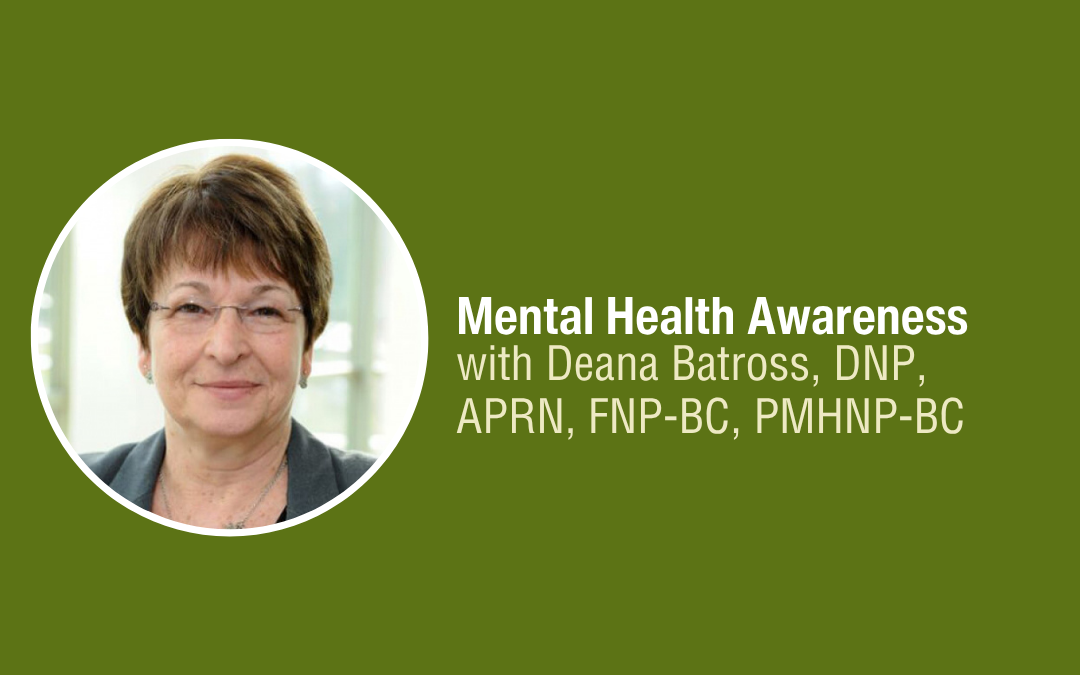
After nearly 30 years in nursing, Deana Batross, DNP, APRN, FNP-BC, PMHNP-BC, has seen a big shift in how people talk about mental health.
“When I first started, people didn’t talk about it at all,” she said. “Now people are recognizing, ‘I have anxiety and it’s a problem.’”
During Mental Health Awareness Month, Deana sat down with OAAPN to talk about caring for patients, reducing stigma, and why asking for help can make such a difference.
Meeting Patients Where They Are
In her current role, Deana sees patients both in person and through telehealth appointments, noting that telehealth became much more common after COVID, and many patients still prefer it because of the convenience. And sometimes it lessens the feelings of fear of talking about their problems with a provider if they can do it in the comfort of their own home.
For new patients, Deana sets aside time to go through everything from mental health history to physical health, stressors, coping mechanisms, and daily life.
“Everything is involved,” she said. “As nurses, we focus on the entire biopsychosocial aspect of the patient.”
From there, she works with patients to come up with a treatment plan together.
“I always tell them they are in the driver’s seat,” she said. “I’m just here to offer suggestions.” (my opinion on what would work best)
Mental Health Is Connected to Everything
One thing Deana has learned throughout her career is that mental health rarely exists on its own.
“I think it’s all interrelated,” she said.
She explained that things like financial stress, housing instability, and lack of access to care can all make mental health struggles worse.
“I’ve had patients living out of hotels who were dealing with depression,” she said. “And that just accentuates their depression even more.”
For many patients, the challenges they’re facing are tied together, which is why she believes it’s important to look at the full picture of someone’s life instead of focusing on one issue by itself.
Taking the First Step Is Often the Hardest
Even though conversations around mental health have improved over the years, Deana says stigma is still a major barrier for a lot of people.
“People feel like they’ll be judged,” she said. “Even making that first appointment is a huge step.”
She says many patients feel nervous opening up at first, but that usually changes once trust is built.
“Once we begin to build rapport and trust and confidentiality, then patients tend to begin to open up,” she said.
Over time, Deana says she has seen more people become comfortable talking about anxiety, panic attacks, depression, and other mental health concerns openly.
“We’re doing a better job talking about it publicly and socially,” she said.
Seeing Patients Improve
For Deana, one of the most rewarding parts of the job is watching patients make progress over time.
“Seeing people improve and grow is rewarding,” she said.
She especially enjoys helping patients realize they have tools to manage what they’re experiencing.
“Sometimes that means medication, sometimes it doesn’t,” she said.
And sometimes, what matters most is simply listening.
“I’ve had patients thank me because someone finally listened to them,” Deana said.
Caring for the Caregiver
Supporting patients emotionally can take a toll, especially in mental health care where providers often hear deeply traumatic stories.
“Some of the things you hear can be traumatizing,” Deana admitted.
Because of that, she says setting boundaries and making time for herself is important. After work hours, she tries to step away unless there’s an emergency. She also exercises regularly, spends time outside, and focuses on maintaining healthy habits.
“Taking time for me is so important,” she said. “And I stress that to my patients too.”
She also encourages patients to slow down and reconnect with the world around them, even with something as simple as taking a walk without distractions.
Deana’s Advice: “Just Take That First Step”
For anyone who feels nervous about asking for help, Deana’s advice is simple:
“Just take that first step and make that call. PMHNPs (Psychiatric-Mental Health Nurse Practitioners) are here to help, not to judge.”
She says many people are surprised by how supportive mental health care can be once they finally reach out.
“Nurses are excellent listeners,” she said. “They’re great at finding you the help that you need.”
She also encourages people to pay attention to their own mental health and speak up if something feels wrong.
“If you feel like you’re in trouble, reach out for help,” she said.
Deana also emphasized the importance of resources like the 988 Suicide & Crisis Lifeline, which is available 24/7 for anyone experiencing emotional distress or thoughts of self-harm.
Why OAAPN Matters for Patient Care
Deana also talked about why organizations like OAAPN matter — not just for nurses, but for patients too.
“I think for me, the legislative part is number one,” she said.
She explained that Ohio still has restrictions on what advanced practice nurses are allowed to do, and she believes continuing to push for change can help improve access to care for patients across the state.
“I think in Ohio, we’re a little behind the times on what we can do as advanced practice providers and as nurses,” she said.
She also mentioned the value of OAAPN’s continuing education resources and the support it provides to nurses throughout Ohio.
Learn more about how OAAPN advocates for Advanced Practice Nursing and membership benefits today.